
If you’re considering spaying or neutering for your pet, you probably have questions; about the procedure itself, what recovery looks like, and when is the right time. At Walker Valley Veterinary Hospital, we know how big this decision feels. We’ve spoken with pet owners across the Walker Valley, NY, area who just want clear answers for their companions. Let’s walk through what you can expect during this common, but important, cat or dog surgery.
What is Spaying or Neutering, and Why Do It?
“Spaying” refers to the surgical removal of the ovaries and often the uterus in female pets, while “neutering” (or castration) is the removal of the testicles in males. Both procedures are performed under general anesthesia by a licensed veterinarian. Beyond preventing unwanted litters, spaying and neutering can reduce the risk of certain cancers and unwanted behaviors, like roaming, marking, and vocalizing. These dog and cat surgeries also contribute to the overall wellbeing of your animal, as supported by guidelines from the AAHA and AVMA.
The Surgical Process: What Should You Expect?
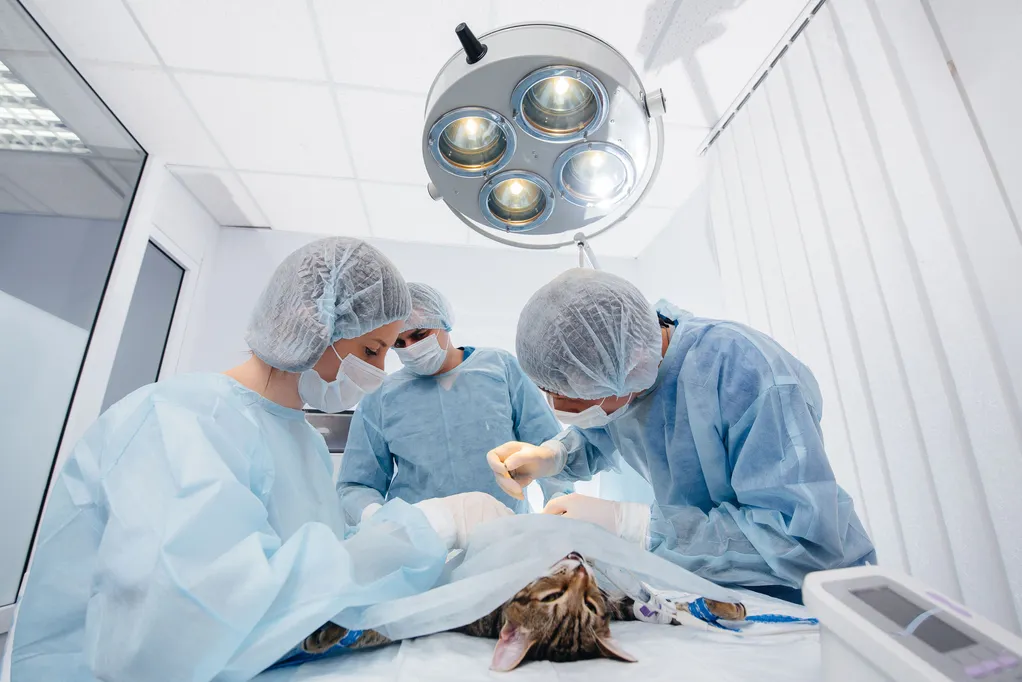
The morning of surgery, you’ll typically bring your pet to our office with an empty stomach. After a careful examination and pre-anesthetic bloodwork (especially for older pets), our veterinarian administers anesthesia. Spays are a bit more involved than neuters, requiring an abdominal incision, while neuters are performed through a small opening near the scrotum. In both cases, we take careful measures to manage pain and reduce the risk of infection.
The entire procedure usually takes less than an hour, although female spays may be on the longer end of that. Most pets go home the same day. You’ll notice your pet may be a little groggy, but within a day or two, many are eager to get back to their regular routines. We’ll send you home with written instructions for rest, pain control, and watching for signs of complications (which are rare, but possible).
Timing: Why Breed and Size Matter
Traditionally, vets recommended surgery around six months of age for almost all dogs and cats. Recent studies—such as those from Cornell University—have shown the “best” timing for surgery actually varies. Larger breeds may benefit from waiting until maturity (often 12-18 months), as earlier surgeries in some large dogs may slightly increase the risk of certain orthopedic conditions. Small breeds and cats, however, often tolerate early-age surgery well, and can still benefit from the health protections spay/neuter provides.
The AAHA and AVMA now support a personalized approach: consider your pet’s breed, size, health, and your family’s circumstances before making a decision. If you aren’t sure what’s best, don’t hesitate to ask! Our veterinarians are here to review the latest evidence and what it means for your pet specifically.
Call Our Veterinarian near You to Schedule Your Pet’s Surgery
If you have any questions about spaying or neutering, or you’re ready to talk timing, reach out to the team at Walker Valley Veterinary Hospital in Walker Valley, NY, at (845) 744-8605. We’ll make sure you have all the facts, and the compassion, you need to make the best choice for your family.